
Five years ago this past January, Lijie and I filed the paperwork for the Zhou & Eesley Family Foundation. We were still in the middle of the pandemic. We were both working full-time jobs. We had never run a foundation before.
What we had was time. Specifically, the strange in-between time the pandemic created: months when commutes vanished, evenings got longer, and you could spend a weekend reading IRS Publication 557 cover to cover. We used some of that time to do the research and paperwork it takes to start a private foundation.
I had always assumed we would wait. I think most people assume they will wait. The standard story is that you accumulate, you build, and at some later point, maybe retirement, you turn around and start giving back. We had the same story in mind, more or less, until early 2020 made the need impossible to ignore and the calendar impossible to fill any other way.
We started before we were ready. Five years in, it is the best decision we have made.
What we set out to do
The Foundation is small. By the end of 2025, total assets sat at $1.89 million, with 14% deployed into mission-related and program-related investments and the rest funding our direct programming. We are not a Gates. We are not a Hewlett. We are two people running an operation on nights and weekends, alongside an advisory board that does the work of holding us accountable.
What we set out to do was simple to say and harder to do: support computer science and entrepreneurship education in communities that mainstream programs overlook, with particular focus on women, underrepresented founders, and ventures advancing the UN Sustainable Development Goals.
What we’ve actually done
Five years on, we have worked in nine communities. San Francisco State University, where Lijie’s alumna ties opened the very first partnership. Molokai. Taiwan. Vietnam. Malaysia. Tanzania. Uganda. Paris. And the MIT MEET program, which serves Israeli and Palestinian students together.
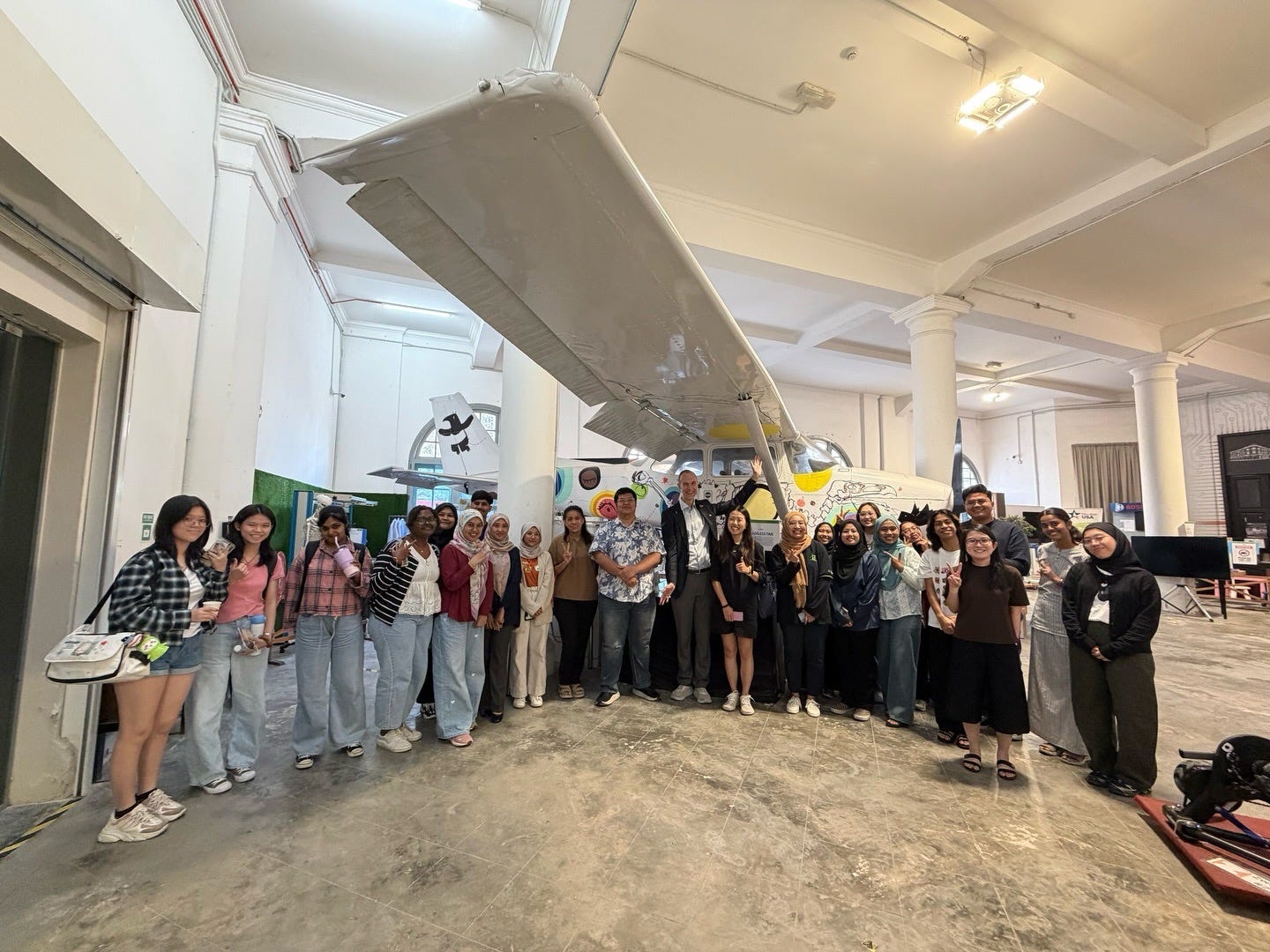
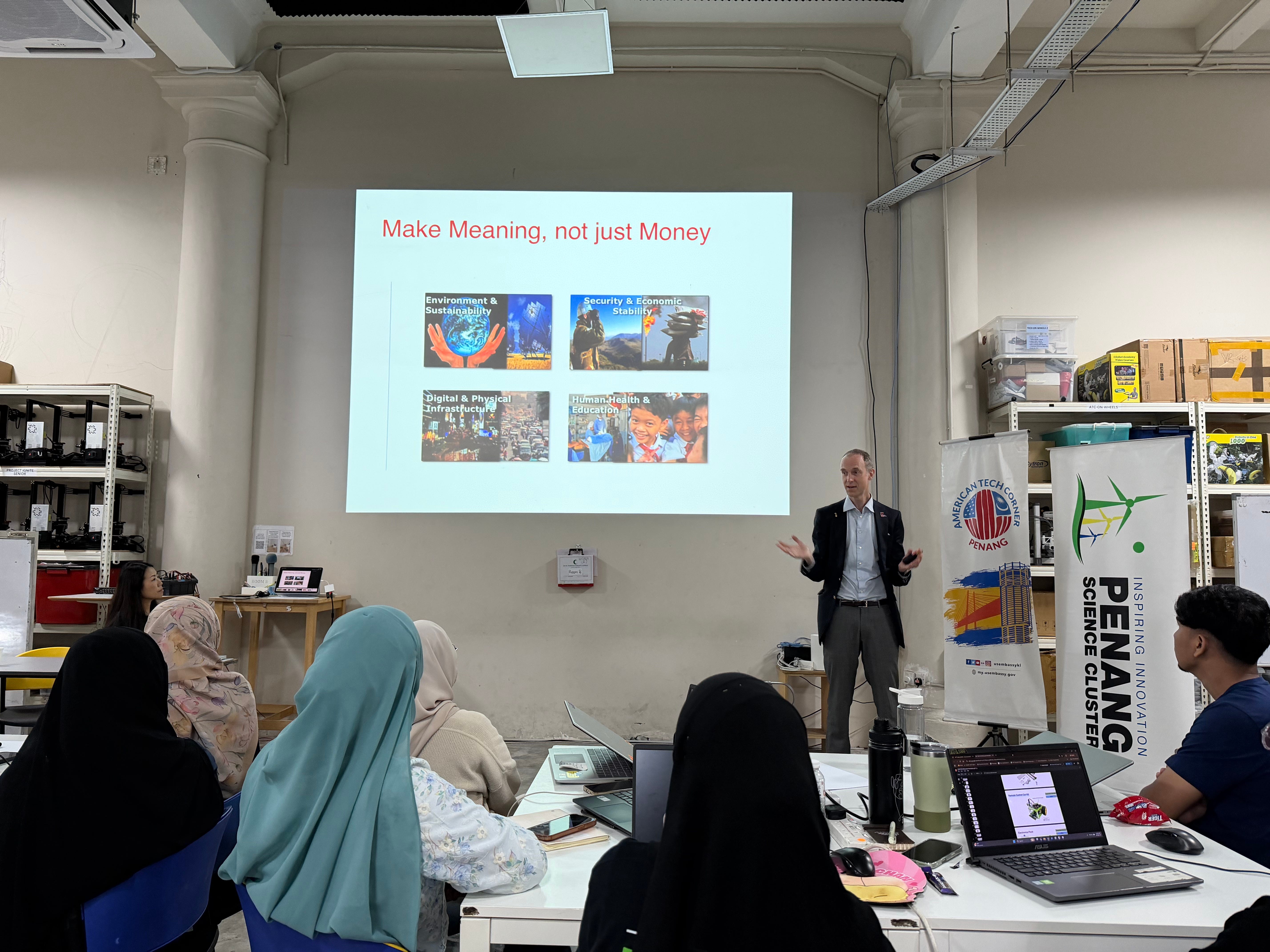
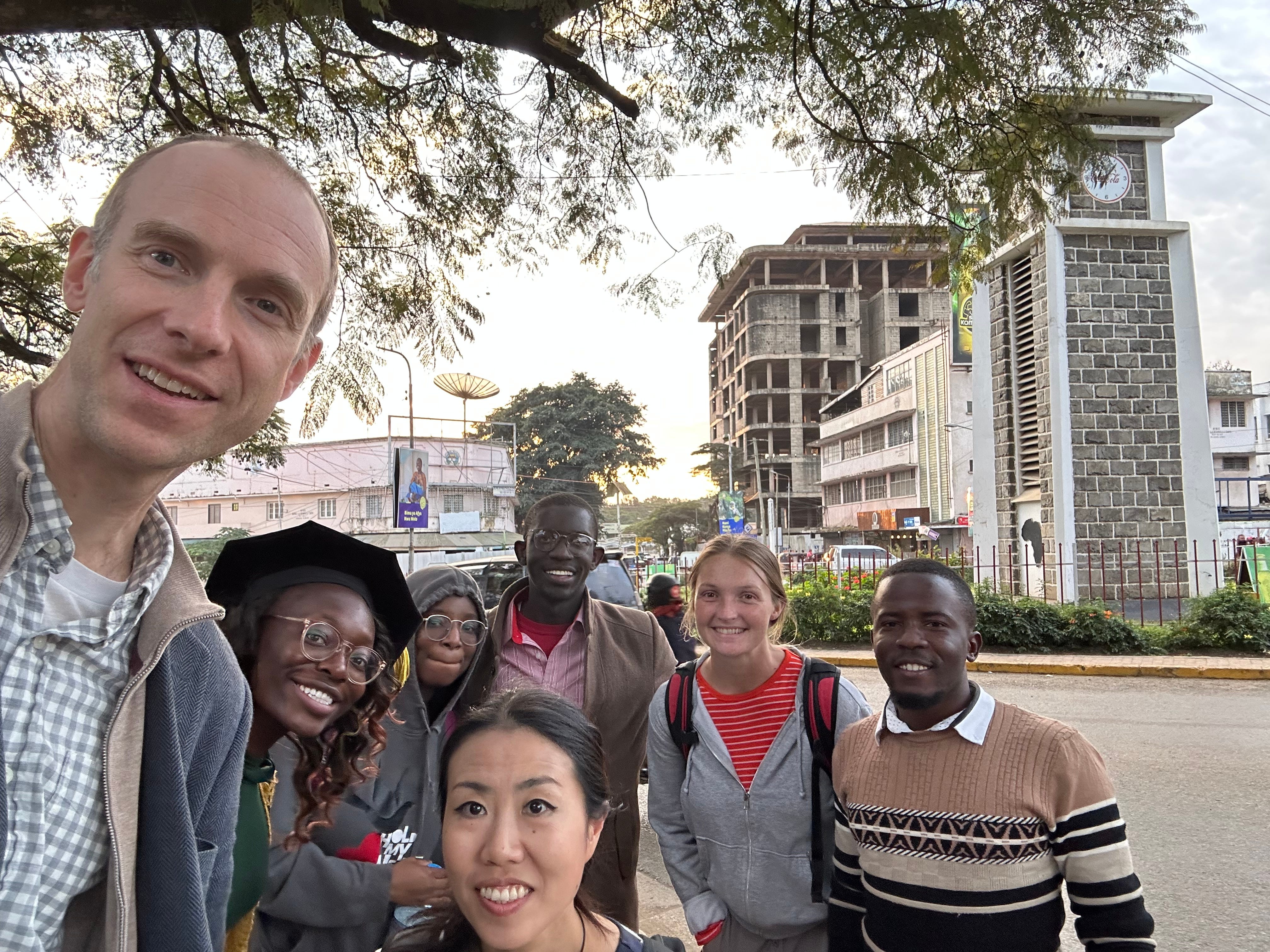
Our 2025 work at the Penang Science Cluster in Malaysia reached roughly 2,500 students through a 100:1 teacher-to-student multiplier. That number has taught us as much about leverage as anything else we have done. Uganda is a hybrid. The refugee-entrepreneur research there is my own Stanford project, but the Foundation came in alongside it, funding microloans and continued support for a subset of participants through a collaboration with Challenges Uganda. In Tanzania, our work with the LOHADA children’s home started through a former student and grew into a multi-month relationship. At one point we bought a local painting and auctioned it back home, raising $1,854 toward a tractor for the home. Most of what we do looks like those two: long-running and hands-on.
On the investment side, we hold eleven active positions: nine mission-related and two program-related. They range from Synchron’s brain-computer interfaces (restoring digital autonomy after paralysis) to Oze’s fintech for West African small businesses to Empo Health’s early detection of diabetic foot ulcers. That last one is personal. I lost my father to complications from a diabetic foot ulcer in 2015.
What we would do differently
We started as a non-operating foundation. About two years in, we converted to an operating foundation. We should have started that way.
The difference is technical in name and practical in everything else. A non-operating foundation primarily makes grants to other charitable organizations. An operating foundation directly runs its own programs. The IRS rules, the payout requirements, and the daily work are all different.
We thought we wanted to be grantmakers. What we wanted, it turned out, was to teach in Molokai and Penang and Tanzania ourselves, to run teacher-training cohorts with our hands on the materials, to build long relationships with partners where we were not the funder of record but a co-laborer. That is operating-foundation work. We backed into it without naming it for two years, and the structure we had was not built for it.
If you are thinking about starting a foundation and you know in your bones that you want to do the work, not just fund it: start as an operating foundation. Save yourselves the conversion.
What we got right
The best structural decision we made on day one was the independent directors / advisory board.
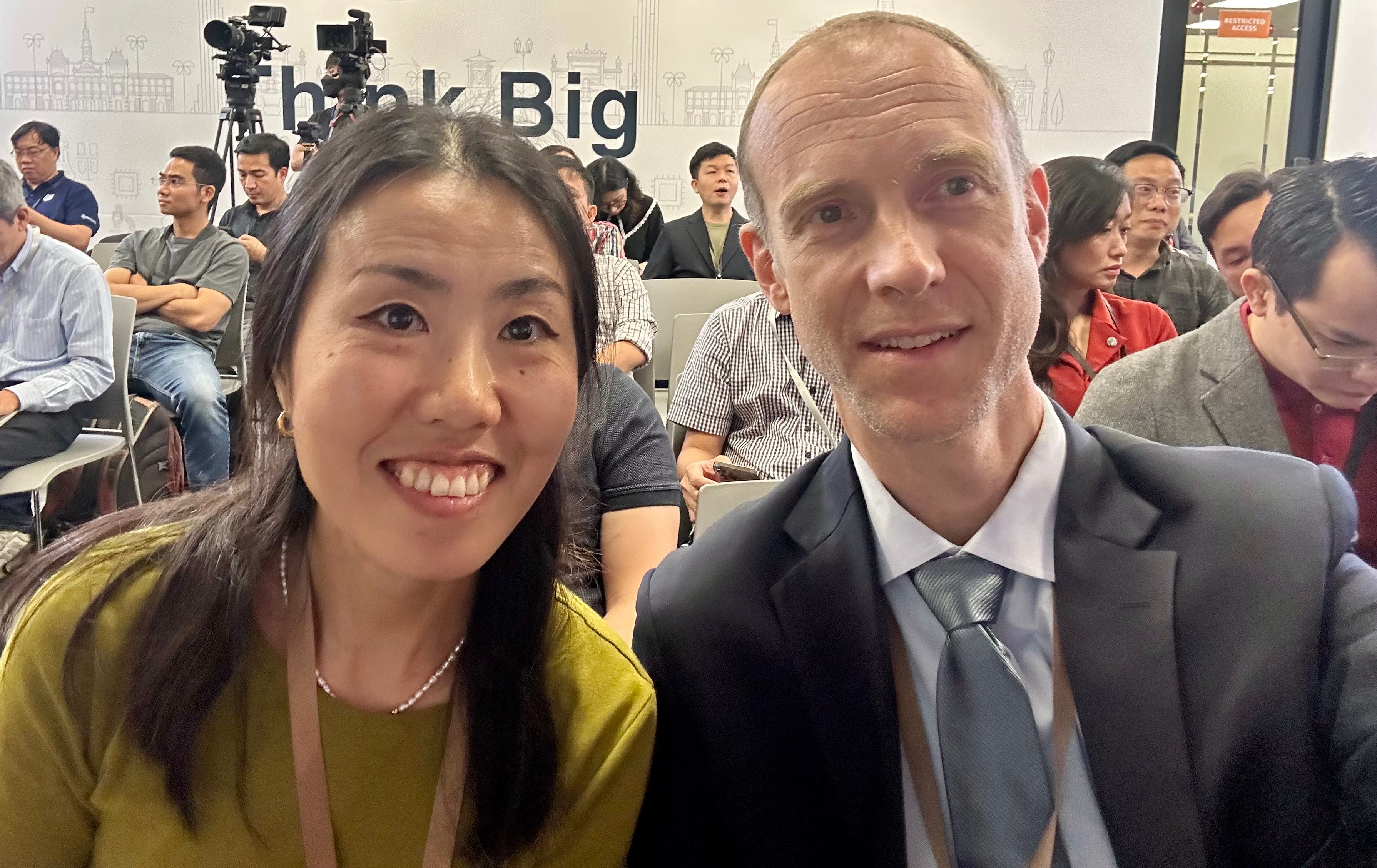
We could have run this as a two-person operation. We are a two-person operation. But from the beginning, we invited a small group of people whose judgment we respected and who had no incentive to flatter us, and we asked them to tell us when our decisions looked wrong. We did not want advisory in the polite sense. We wanted people who would stop us from doing things we would regret, and more than once they have. We gave them voting rights and made them full voting members of the board.
I think small foundations underuse this. We tend to think of accountability as a thing imposed on large institutions. But a small foundation runs into the same cognitive traps as a large one: falling in love with your own pet partnerships, overweighting recent wins, expanding too fast, underestimating the operational cost of a new commitment. Having people who can say no, not that one, not yet has been worth more than the time it costs to brief them.
What surprised us
Three things, briefly.
First, the multiplier of training teachers rather than teaching students directly is much larger than we expected. A teacher we train will reach roughly a hundred students. A student we teach reaches one student. We knew this in principle. Watching it work in Penang reset our default question from “how many students did we reach?” to “how many teachers are now running this on their own?”
Second, mission-related investments turn out to feel less like venture deals and more like the program partnerships. We thought we were building two parallel portfolios, programs on one side and investments on the other. They turn out to be the same thing in different forms: multi-year relationships with people doing the work in places we care about.
Third, the part-time constraint is more of a feature than a bug. We cannot spread ourselves across thirty geographies, so we have learned to say no to most things and yes to a few long ones. A foundation we ran full-time would, I suspect, do less good and feel less alive.
What we’re trying next
The next five years: deeper teacher cohorts in places we already work, careful expansion only where there is a clear long-term reason to be there, more program-related investments (including equity, not just the below-market loans we have made so far), and a real effort to measure whether the work moves outcomes. The Uganda microloan collaboration, paired with a research study on the same population, is a first step toward that kind of evidence.
If you have been waiting
If you are reading this and thinking about starting something, whether a foundation, a fund, or a recurring small commitment, and your story is “I’ll do this later, when I’m more ready”:
Start now. You will not be more ready. You will know more later, but the learning is the work, and you can only do the learning by being in motion. You can do it part-time. You can do it small. You can do it badly at first and improve as you go. The thing you cannot do is do it in the future you keep promising yourself.
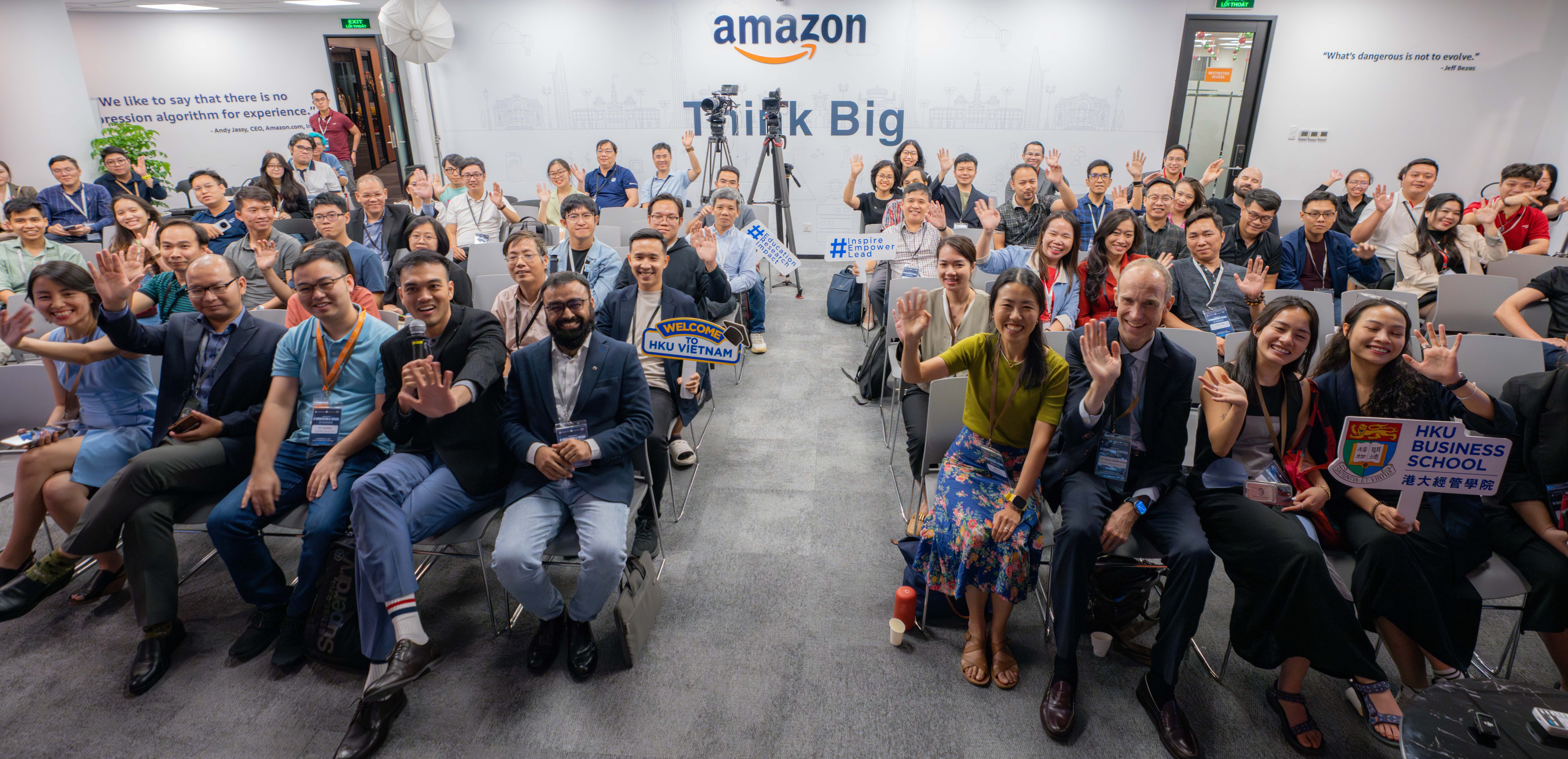
Five years in, the most surprising thing about doing this is how much we look forward to it. We started this thinking it would be the work of our retirement. It turned out to be the work that makes the rest of the work feel like it adds up to something. We are very glad we did not wait.
Lijie’s reflection from the same five years is here. She tells a different version of this story.
Very interesting! I had similar findings when I worked in politics - by doing what I was good at, I could pass legislation that then other people/teachers(who teach better than I ever could) would be empowered to make an exponential difference. So while it’s the teachers that actually make the impact, I was able to make sure 500k+ kids in KY graduate financially literate through my efforts. I actually used research from a Stanford colleague of yours - Dr. Lusardi!
However, a limitation I see is it takes financial resources to do this work. I was fortunate my parents supported me, but when one goes out by themselves to make a difference, it is very hard if they are not set up financially. Very little kids from a lower economic background who has to work after school to provide for their family can do what I did because of financial and time constraints.
That’s why, when I think of my future, I don’t see myself making such a large impact as I would like. In the near future, I will have to focus on making enough money to support myself and my future family. That’s where I think a lot of bright kids get stuck - and I have no idea how to go about it.